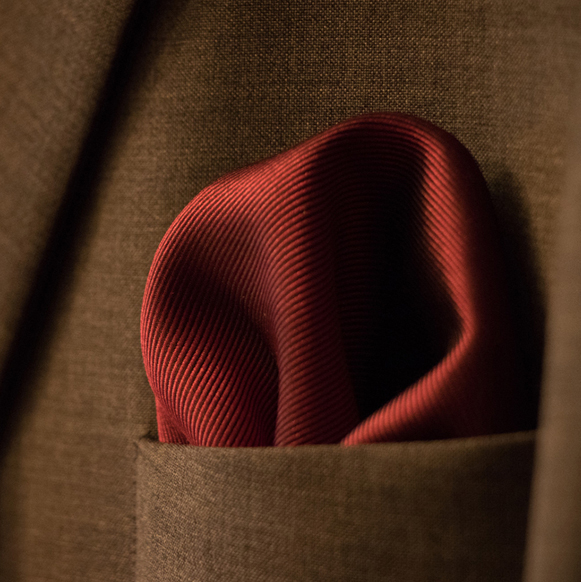
Choosing Textures That Make Simple Dressing Feel Elevated
Simple dressing does not have to feel plain. Often, the difference between an ordinary outfit and one that feels refined comes down to fabric. Texture adds depth, movement, and visual interest without relying on bold colors, heavy prints, or complicated styling. The right material can make even the most minimal outfit feel more considered.
From crisp cotton to soft knitwear and fluid fabrics, texture plays an important role in how clothing looks, feels, and moves. Learning how to combine different materials can help everyday outfits feel more polished while still remaining comfortable and effortless.
Start With Fabrics That Hold Their Shape
Structured fabrics can instantly give an outfit a cleaner appearance. Cotton poplin, denim, twill, and heavier woven materials create definition and help simple silhouettes feel more intentional.
A crisp shirt paired with relaxed trousers, for example, creates a balanced look without requiring additional styling. Structured fabrics are especially useful when you want an outfit to appear sharper while keeping the overall design minimal.
These materials also work well as outer layers because they create a clear shape and add visual strength to softer pieces underneath.
Add Softness Through Knitwear
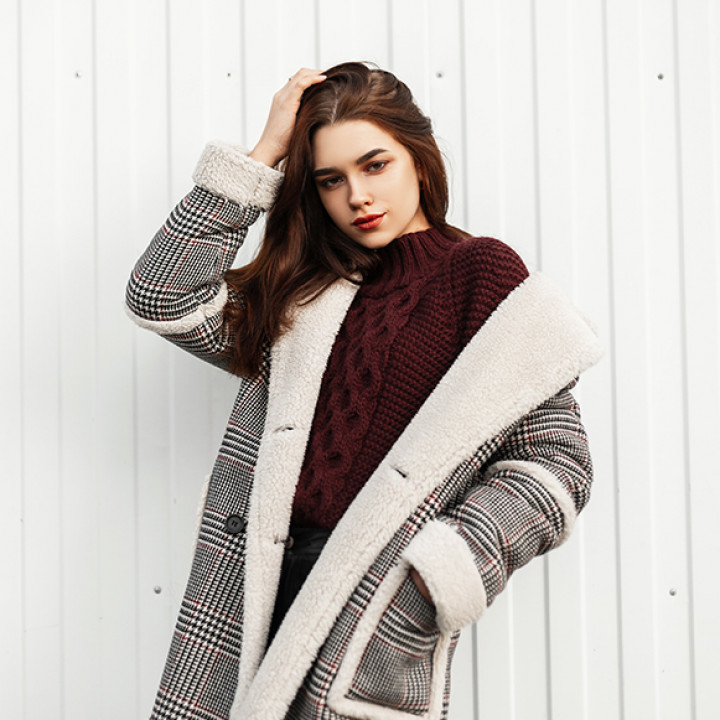
Knitwear brings warmth and dimension to simple outfits. Fine knits, ribbed textures, and soft cardigans can add depth without making a look feel heavy. A lightweight knit worn with tailored trousers creates contrast between softness and structure. Similarly, a textured sweater with clean denim can make a basic combination feel more complete.
The key is choosing knitwear that complements the proportions of the outfit. Fine knits often work well for layering, while chunkier textures can become the main feature of the look.
Use Contrast Between Smooth And Textured Materials
Combining different surface finishes is one of the easiest ways to make neutral outfits more interesting. Smooth fabrics can look more distinctive when placed next to something textured.
A crisp cotton shirt layered beneath a soft knit, or a smooth top paired with textured trousers, creates subtle contrast. Even when all the pieces are in similar colors, the difference in fabric gives the outfit depth. This approach is particularly useful for monochrome dressing, where texture becomes more important than color variation.
Choose Fluid Fabrics For Movement
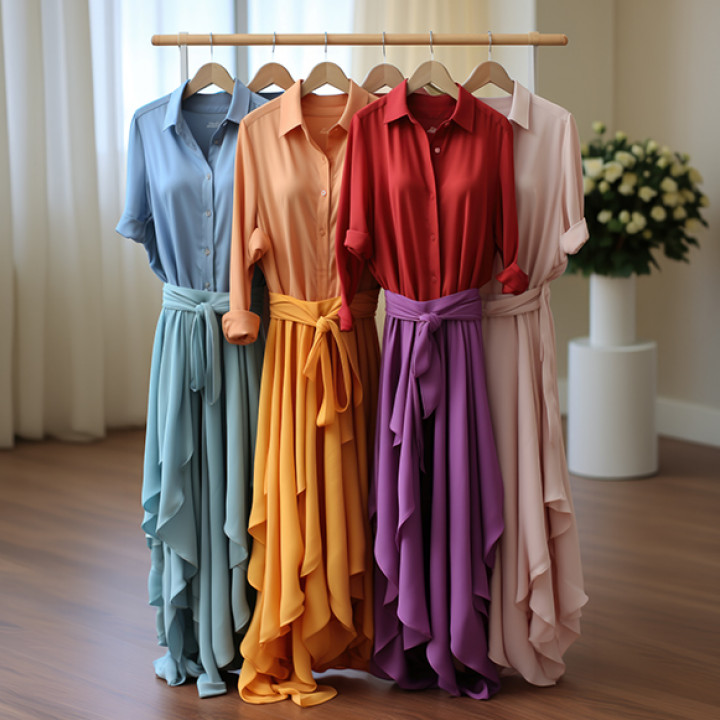
Soft, flowing fabrics create a different kind of visual interest. Materials that drape naturally can bring movement and ease to simple outfits.
Flowing trousers, relaxed shirts, or lightweight skirts can soften structured elements and create balance. Pairing a fluid garment with a more defined jacket or top prevents the outfit from feeling overly loose. Movement also adds personality to clothing, making simple silhouettes feel more expressive as they respond naturally to the body.
Explore Natural-Looking Finishes
Fabrics with a slightly irregular or natural finish often bring warmth and character to minimal dressing. Linen, washed cotton, soft denim, and lightly textured weaves can make outfits feel relaxed yet thoughtful.
These materials do not always need to look perfectly smooth. Their subtle texture can become part of their appeal, particularly in casual or warm-weather dressing. Natural-looking fabrics are easy to combine with neutral colors, creating outfits that feel comfortable while still appearing well put together.
Balance Heavy And Lightweight Textures
Mixing different fabric weights helps create visual balance. A heavier jacket over a lightweight shirt, or structured trousers with a softer top, creates contrast without relying on complicated styling. Avoid combining too many thick materials at once, as this can make an outfit feel bulky. Instead, allow heavier textures to anchor the look while lighter fabrics add softness. This balance also makes layering more practical, especially during changing weather.
Let One Texture Take The Lead
Not every outfit needs several different fabrics competing for attention. Sometimes, one distinctive texture is enough to elevate the entire look.
A ribbed knit, textured overshirt, woven jacket, or softly finished trouser can become the focal point. Keep the surrounding garments simpler so the featured material stands out naturally. This creates a cleaner visual direction and makes the outfit feel more intentional.
Consider Comfort Alongside Appearance
A fabric may look beautiful, but it should also feel comfortable for the setting and season. Breathability, softness, flexibility, and weight all affect how enjoyable a garment is to wear. Choosing fabrics that suit both your lifestyle and climate makes it easier to build outfits you will actually reach for regularly. When clothing feels good, it often looks more natural too, because the wearer moves with greater ease and confidence.
Build Interest Through Fabric, Not Excess
Elevated dressing does not require complicated combinations. Often, a simple outfit becomes more distinctive through the thoughtful use of texture alone.
By mixing smooth and textured finishes, balancing structure with softness, and choosing fabrics with natural movement, even familiar wardrobe basics can feel refreshed. Texture gives simple dressing depth without taking away its ease. When materials are chosen with care, everyday outfits can feel refined, expressive, and thoughtfully put together.