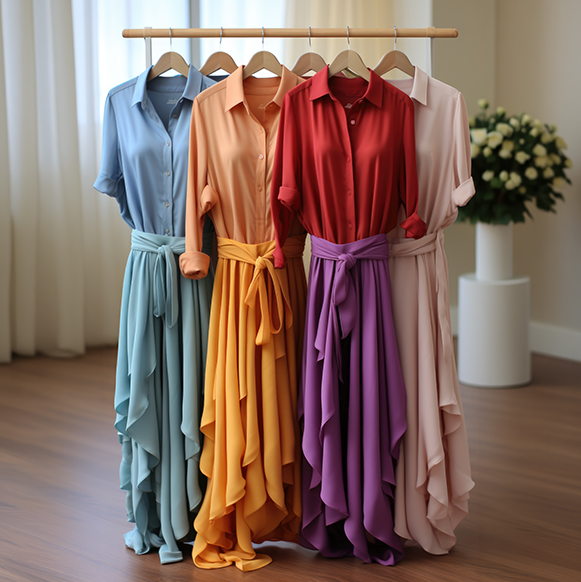
Using Color To Give Everyday Outfits More Character
Color has the ability to completely change the mood of an outfit. Even the simplest combination can feel more expressive when the right shades are introduced with intention. Everyday dressing does not always need bold prints or complicated styling to feel interesting. Sometimes, a thoughtful color choice is enough to give familiar clothing a fresh identity.
Understanding how different shades work together can make getting dressed easier, more creative, and more personal. From subtle tonal combinations to stronger contrasts, color can help everyday outfits feel more considered without becoming overwhelming.
Begin With A Familiar Palette
Building confidence with color becomes easier when you start with shades you already enjoy wearing. Neutral tones such as black, white, beige, grey, navy, and brown create a dependable foundation that can support brighter or softer colors.
Instead of changing an entire outfit, introduce one additional shade through a shirt, jacket, trousers, or outer layer. This keeps the look balanced while allowing the color to have a noticeable presence. Starting with familiar colors also makes experimentation feel more natural and less forced.
Explore Tonal Dressing
Tonal dressing uses different shades from the same color family. This approach creates depth while keeping the overall look coordinated. For example, lighter and deeper shades of brown, blue, green, or grey can be combined within one outfit. The colors remain connected, but the variation prevents the look from feeling flat.
Tonal combinations work particularly well for everyday dressing because they feel polished without requiring complicated matching. Different textures can make these looks even stronger by adding another layer of visual interest.
Introduce One Strong Accent
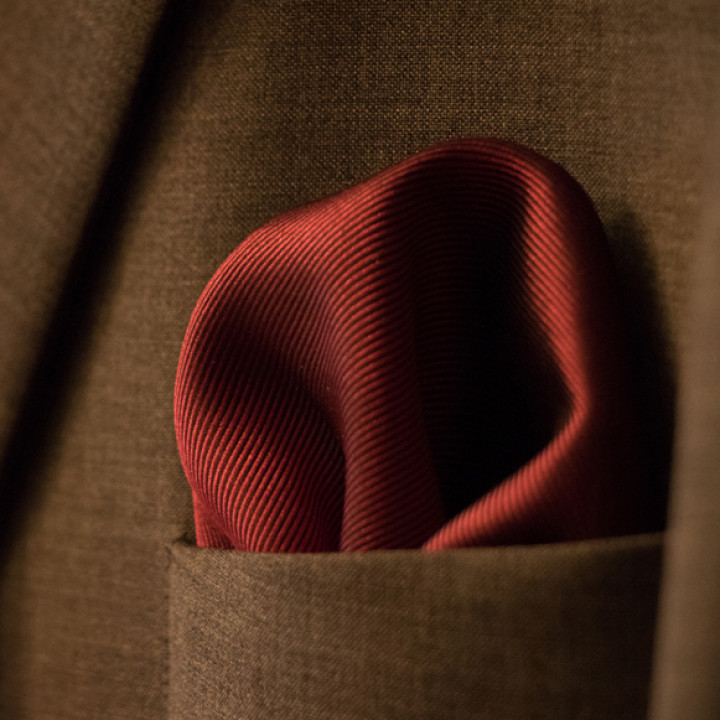
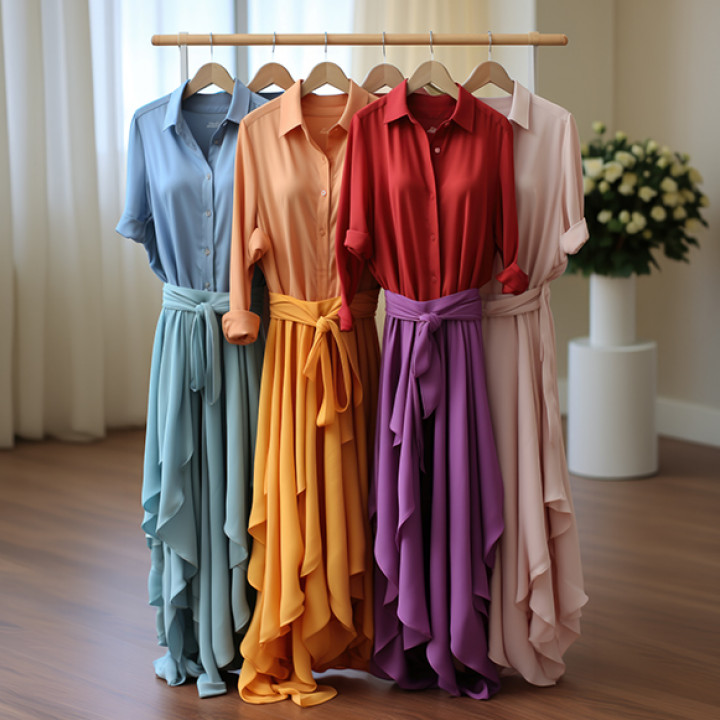
A single statement color can bring character to an otherwise simple outfit. A rich red shirt, deep green jacket, cobalt layer, or warm mustard tone can instantly become the focal point. When using a stronger shade, allow the rest of the outfit to remain relatively understated. Neutral trousers, simple tops, or muted outerwear can provide balance.
This approach gives bold color more impact while keeping the outfit easy to wear. It is also an effective way to experiment with brighter shades without committing to an entirely colorful look.
Combine Soft And Deep Shades
Color does not always need to be bright to feel expressive. Pairing softer tones with deeper shades can create sophisticated contrast.
A pale blue shirt with navy trousers, cream with chocolate brown, or soft sage with charcoal can create subtle dimensions. These combinations feel calm but still visually distinctive.
Using different levels of color intensity helps create depth while maintaining balance, making this approach suitable for casual, professional, and relaxed outfits alike.
Use Contrast To Create Energy
Contrasting colors can make simple clothing feel more dynamic. The key is choosing combinations that feel deliberate rather than random.
A warm shade paired with a cooler tone can create a strong visual relationship. Rust with blue, burgundy with cream, or olive with soft pink are examples of combinations that can add personality without becoming too loud. If the contrast feels strong, keep the silhouettes simple. Clean shapes allow the colors to remain the main focus.
Let Neutrals Do The Balancing
Neutrals are important when working with color because they give stronger shades space to stand out. Black can sharpen brighter colors, while cream and beige can soften them. Grey offers a quieter base, and denim often works naturally with many different shades.
Instead of viewing neutral clothing as plain, think of it as the foundation that allows more expressive colors to work comfortably within everyday outfits .
Consider The Mood You Want
Different colors can influence how an outfit feels. Darker shades often create a more grounded or refined appearance, while lighter colors can feel fresh and relaxed. Warm tones may create richness, while cool shades can bring clarity and calmness.
Choosing colors based on mood can make dressing feel more intentional. You might prefer softer combinations for relaxed days and stronger contrasts when you want your outfit to feel more confident. There are no strict rules, but understanding the feeling behind different palettes can guide better choices.
Repeat Color Thoughtfully
Repeating a shade in small amounts can make an outfit feel more connected. The repetition does not need to be exact. Similar tones appearing across different layers can create visual harmony.
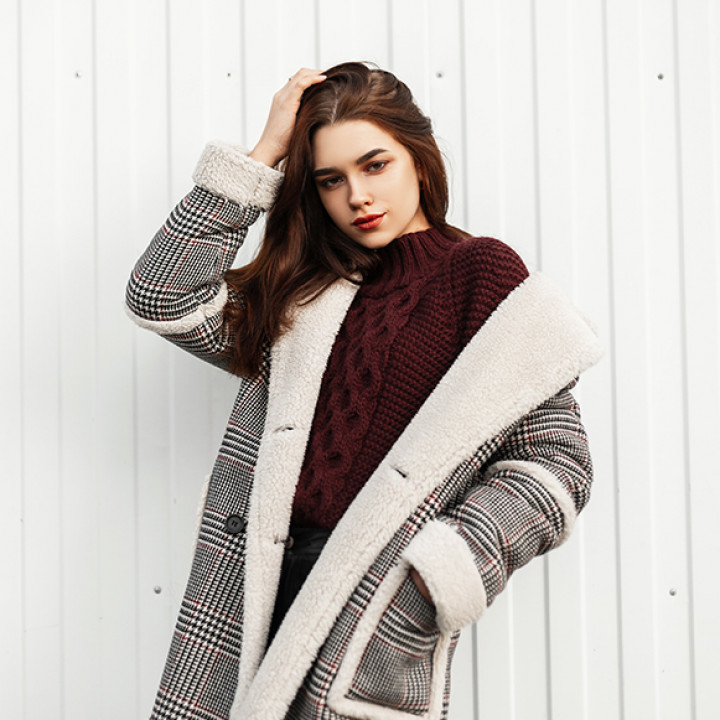
For example, a warm brown outer layer can connect naturally with a deeper brown trouser or subtle neutral base. Repetition creates consistency without making the outfit appear overly coordinated. This technique works especially well when combining several colors within one look.
Build Your Own Color Story
The best color combinations are often the ones that feel natural to your personal style. Rather than following every trend, notice which shades you repeatedly enjoy and how they work together.
Experiment with combinations you may not normally consider. Place different garments beside one another, try varying shades from the same family, or introduce a color you usually avoid.
Over time, these small experiments can help develop a recognizable personal palette.
Color gives everyday dressing another layer of expression. Through tonal combinations, thoughtful contrasts, subtle accents, and balanced neutrals, familiar outfits can gain more depth and individuality. The goal is not to use as many colors as possible, but to choose them with intention. When every shade contributes something to the overall look, even the simplest outfit can tell a more distinctive story.